★★★★★

“The plan was defensible. It addressed people risk, operational risk, and financial exposure in a way the board could support without hesitation.”

— Ana, CEO

★★★★★

“Robot Integration Lab helped us move from reactive messaging to proactive workforce planning. HR finally had a seat at the table before decisions were locked in. ”

— Jessica F., Chief People Officer

★★★★★

“The strategy connected people decisions to financial outcomes. That made the investment easier to justify and easier to defend.””

— Marcus, VP Operations

★★★★★

“Because the plan wasn’t tied to any vendor, we could evaluate it objectively. That made the financial case clearer and the approval process smoother.”

— Jonathan, Board Chair

★★★★★

“his approach acknowledged legitimate workforce concerns early. That prevented escalation and kept labor discussions constructive instead of reactive.”

— Marleen W., CEO

★★★★★

“The work restored trust at a moment when automation could have fractured it. That alone changed the trajectory of the program.”

— David, Chief People Officer

★★★★★

“Employees stopped asking if they were being replaced and started asking how their roles would change. That shift was critical.”

— Jeff, VP Operations, U.S. Region

★★★★★

“The board deck made our robot plan feel credible, staged, and financially grounded.”

— Jonathan, Board Chair

★★★★★

“I’ve sat through too many change decks… this was the first one our managers didn’t roll their eyes at.”

— Carla, VP of HR

★★★★★

“HR usually gets called in when things go wrong. With your team, we were finally in the room from day one.”

— Luis, Chief People & Culture Officer

★★★★★

“I came into the meeting ready to block this project… and left asking how fast we could responsibly scale it.”

— Elaine, Independent Board Member

★★★★★

“Your team connected risk, people, and returns in a way even our most skeptical directors respected.”

— Mark, Audit Committee Chair

★★★★★

“I’ve been pitched ‘future of work’ for years… this was the first time someone showed me what to do on Monday.”

— Priya, CEO, Manufacturing Group

★★★★★

“Honestly, I expected a tech conversation. What we got was a leadership conversation we should’ve had years ago.”

— Robert, Global CEO

★★★★★

“The conversation wasn’t about robots…it was about people that would work with robots – the entire room was relieved”

— Paulo K, Brazil Sector CEO

★★★★★

“What mattered most was that employees felt respected, not managed. Robot Integration Lab helped us introduce robots without breaking trust or triggering unnecessary labor conflict. ”

— Jessica F., Chief People Officer

★★★★★

“Robot Integration Lab gave HR the language and structure we were missing. Conversations with employees shifted from fear to clarity, and we finally had a workforce plan we could stand behind.”

— Marcus, VP Operations

★★★★★

“Knowing Robot Integration Lab did not endorse any robotics vendor made the decision easy. The board approved quickly because the plan was credible, staged, and financially grounded.”

— Jonathan, Board Chair

★★★★★

“you gave us a robot roadmap both operators and board trusted. Thank you!”

— Ana, CEO

★★★★★

“WOW – and THANK YOU!! The team turned robot fear into curiosity and action inside our leadership group.”

— David, Chief People Officer

★★★★★

“I was told to ‘go get robots’ by the board … and you guys helped my team organize this into step-by-step action plan. THANK YOU ”

— Jeff, VP Operations, U.S. Region

★★★★★

“The board deck made our robot plan feel credible, staged, and financially grounded.”

— Jonathan, Board Chair

7 Questions Middle Managers Are Afraid to Ask Before Buying Robots | Robot Integration Lab

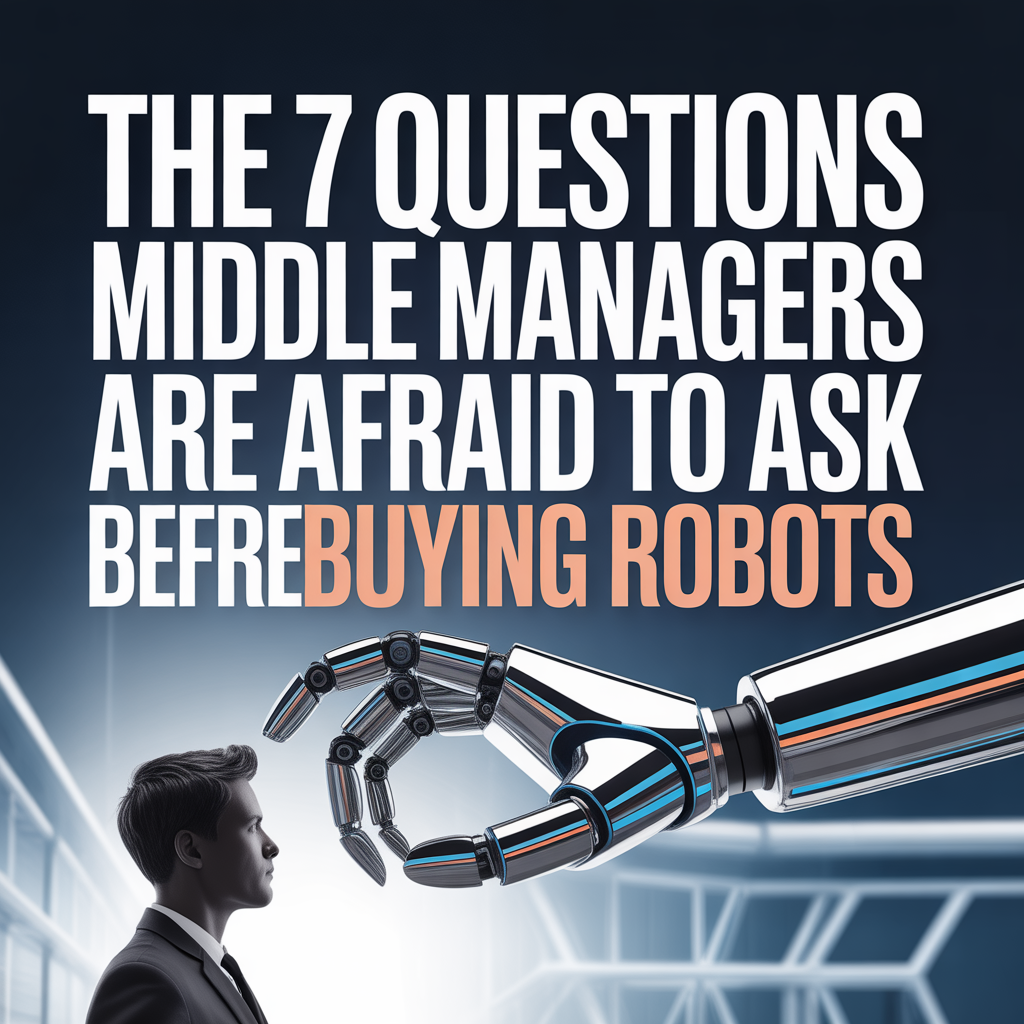
7 Questions Middle Managers Are Afraid to Ask Before Buying Robots

Robot purchases often begin with confidence at the top — and quiet discomfort in the middle.

Middle managers know the truth: the wrong automation decision will affect their team, their workflow, and their name on the results.

These are the seven questions leaders are afraid to ask — and the seven questions that prevent disaster.

1. Are Our Processes Stable Enough to Automate?

Robots don’t fix chaos. If your process changes daily or depends on “tribal knowledge,” automation will create more fires, not fewer.

The Readiness Score exposes weak processes before they become expensive failures.

2. Who Will Own the Robot After Go-Live?

Robots become orphans when ownership isn’t defined. Operations thinks IT owns it. IT thinks engineering owns it. Engineering thinks the integrator owns it.

Ownership is a readiness metric, not a vendor decision.

3. Do We Have the Skills to Maintain or Improve It?

Vendors promise “minimal support needed.” Reality: your team needs at least one person who can troubleshoot, interpret data, communicate changes, and coordinate updates.

The skills gap is where most automation projects stall.

4. How Will the Workforce React?

Robots don’t create fear — silence does. When leaders don’t communicate early, the rumor mill does the job for them.

Culture readiness determines whether robots become tools or threats.

5. What Will This Really Cost — Beyond the PDF Quote?

Managers know the quote is just the beginning:

  • Integration engineering
  • Training time
  • Disruption during ramp-up
  • Layout changes
  • Process redesign
  • Data cleanup

Budgets fail because readiness was never measured.

6. What Is Our Expected ROI Timeline?

ROI is rarely one year — that’s vendor math, not operational math.

The ROI Calculator gives managers a realistic timeline using your real data, not sales claims.

7. Should We Buy or Lease Robots?

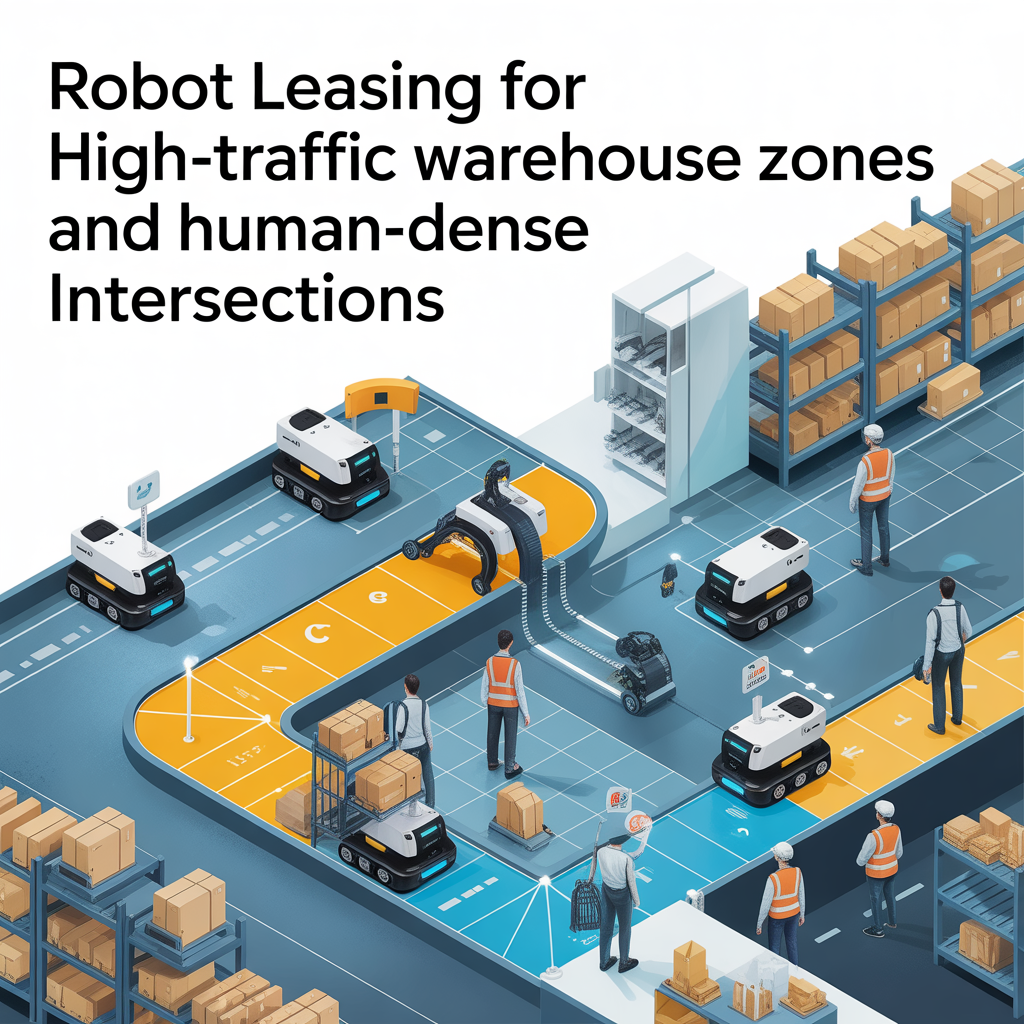
Some companies should not own robots. In early automation stages, leasing reduces risk and increases flexibility.

The Lease vs Buy Calculator reveals what option fits your maturity level.

Start With the 1–2–3 Tool Path

1 — Readiness Score: Assess your readiness

2 — ROI Calculator: Model your ROI

3 — Lease vs Buy: Choose your funding path

The smartest managers don’t start with robots. They start with readiness.

Name

7 Perguntas que os Gestores Têm Medo de Fazer Antes de Comprar Robôs

Grandes decisões sobre robôs começam no topo — mas o impacto recai sobre o gestor. Estas são as sete perguntas que evitam desperdício, frustração e projetos mal executados.

1. Nossos processos são estáveis o suficiente?

2. Quem será o responsável pelo robô?

3. Temos as habilidades para manter o sistema?

4. Como a equipe vai reagir?

5. Quanto isso realmente vai custar?

6. Qual é o prazo real de ROI?

7. Faz sentido comprar ou alugar robôs?

Name
Industrial managers discussing robot purchase questions in a warehouse environment, highlighting integration, cost, workforce readiness, and ROI.
The seven questions every manager must answer before any robotics purchase.

Leave a Reply

Trending

Discover more from Robot Integration Lab

Subscribe now to keep reading and get access to the full archive.

Continue reading